I just added quite a few photos to the previous post – in case you read it before.
Also here’s a simple family tree to clarify those generations in Peru.
Bremner generation in Peru – Simple Tree
The Lives of Scottish Immigrants in Peru 1820-1930
I just added quite a few photos to the previous post – in case you read it before.
Also here’s a simple family tree to clarify those generations in Peru.
Bremner generation in Peru – Simple Tree
Although our Scottish and German ancestry has been traced way back to the 1600’s (apparently someone traced us all the way back to the Vikings, but I haven’t seen that yet), I’m just focussing here at my family’s generations in Peru.
1865 – My first ancestor to arrive in Perú was my great grandfather James Henderson BREMNER (II), aged 23 years, from Kirkcaldy, Scotland.
To see a photo of James and Jane click on tis link (I can’t copy these like the other photos.)
1870 – James returned to Scotland to marry Jane WILLIAMSON, aged 24 years, and they came back to Perú together that same year, to live in Chorillos, where he worked as a gas engineer at the Gas Works. They then had children, James, George, Alex, Margaret, Mary, and John – all born in Chorillos. Later Jane and Annie were born in Lima, followed by William and Charles; 10 babies having been born by 1889. Two babies died – Margaret, and Jane. The 2nd son, George Williamson BREMNER, was my grandfather.
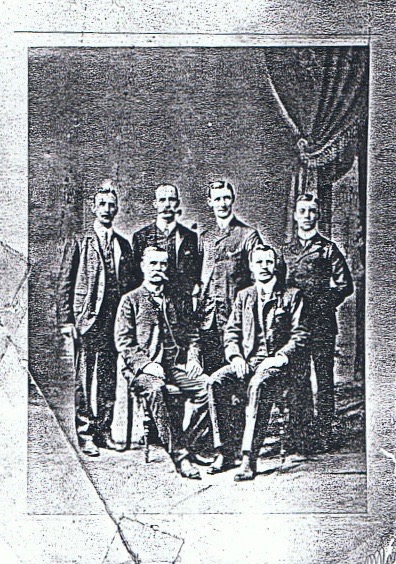
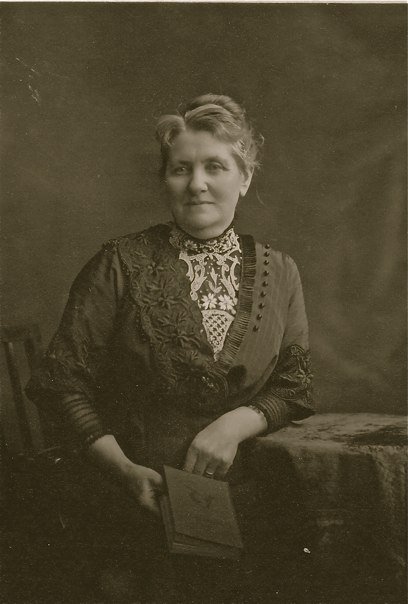
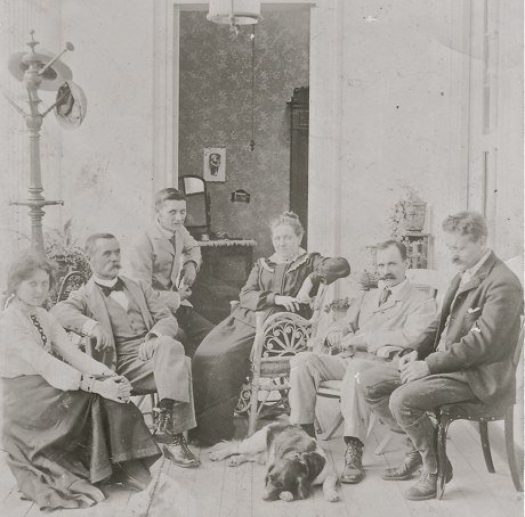
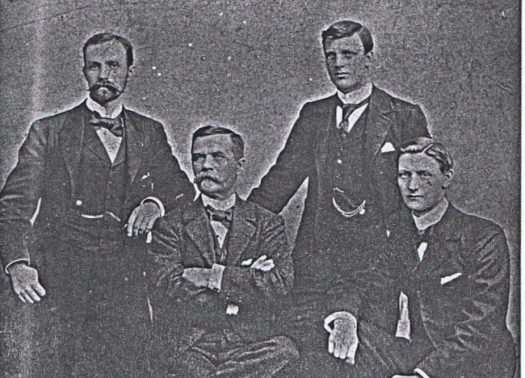
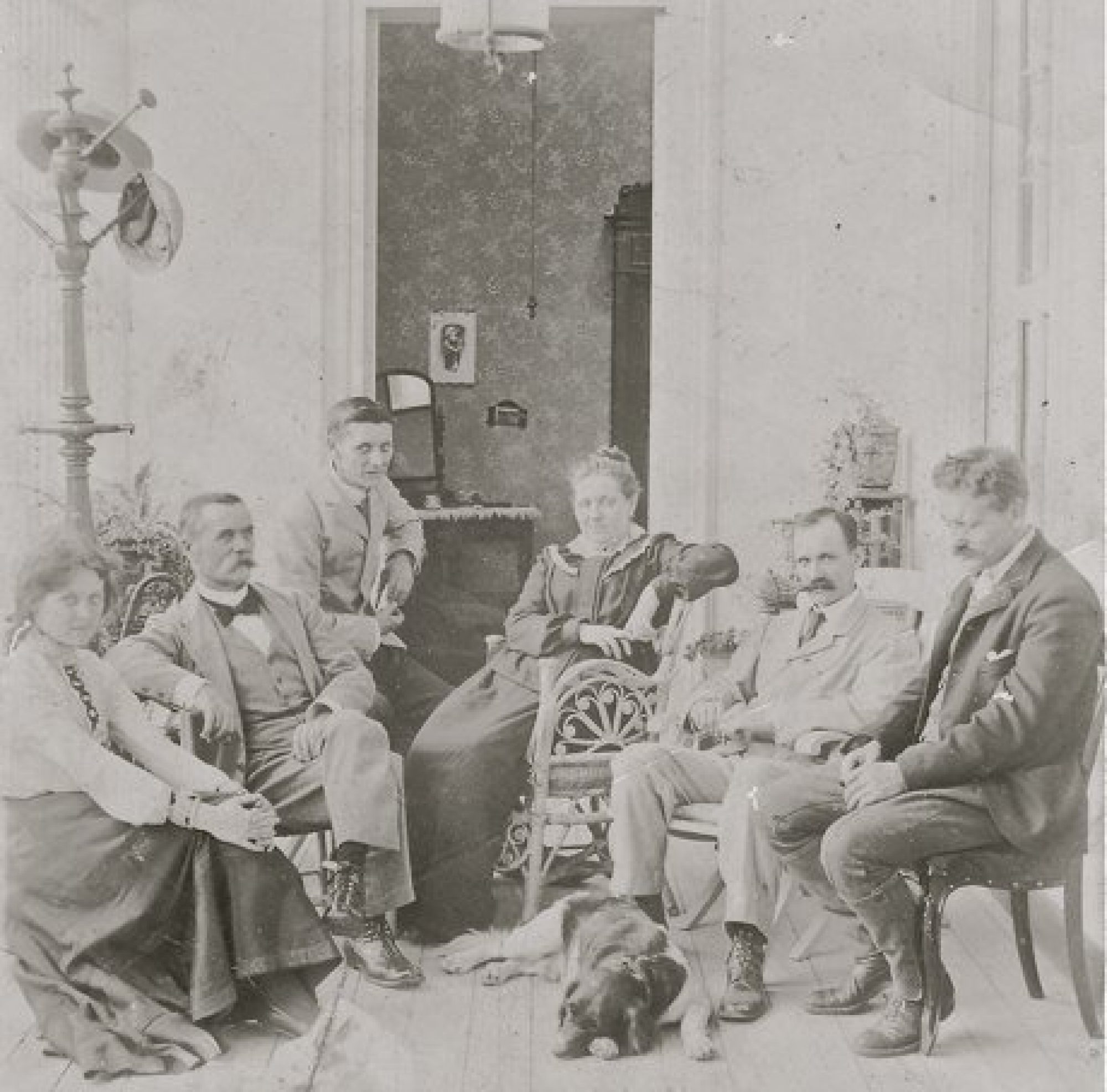
1875 – My other great grandfather Robert REID arrived in Perú from Spain. He was from Newton-upon-Ayr, Scotland, had been working for some years as a railway engineer in Tharsis, Spain, and was married to an Irish woman named Kate. They had 3 daughters, aged 5, 4 and 1. Robert became the Assistant Manager of the Gas Works in Lima, and later became the Manager of the Gas Works in Chorillos.
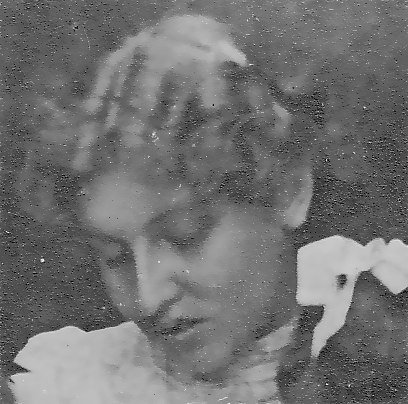
1876 – Adolphina WINTERHOFF (Ada), my great grandmother, arrived in Perú, alone, aged 16 years old, from Hamburg, Germany. She had been accompanying her sick sister, Cäcelie, on a sea voyage which was intended to help Cäcelie’s TB, but tragically Cäcelie died during the trip. Ada disembarked in Callao, and disappeared into the life of Lima, working as a school teacher for a French speaking school.
1878 – James H Bremner became the Chief Engineer of the Lima Gas Works. He later founded the Fábrica de Tejidos El Progreso – a cotton textile mill, as well as the Fábrica de Tejidos La Union – both huge players in the Peruvian Textile industry.
1881 – Kate Reid, Robert’s wife, died at the age of 34, after losing their home and all their belongings in the terrifying Battle of Chorillos, when the Chileans invaded Peru during the War of the Pacific.
1881 – Robert Reid became the Superintendent of the Lima Railway Company
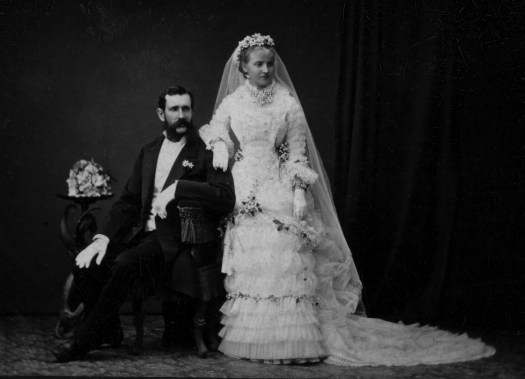
1882 – Robert REID, aged 44 years, married Adolphina WINTERHOFF, aged 22 years.
1883 – Christina REID, my grandmother was born to Adolphina and Robert Reid, in Callao. She was the oldest of their children, Robert (Bobby), Ernesto, Olga, Harriet (Henny) – all born in Lima. The older half-sisters from Robert’s first marriage were Katie, Mary (Polly), and Janet (Nettie).
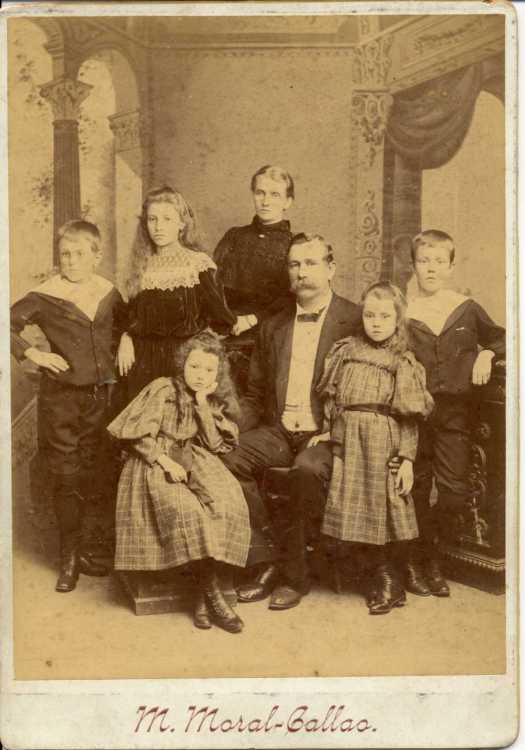
1895 – The Reids moved to Trujillo, in the north of Perú.
Robert became Manager of the Trujillo Railway for the Peruvian Corporation.
1898 – Robert Reid was appointed as British Vice Consul in Trujillo and Salavery.
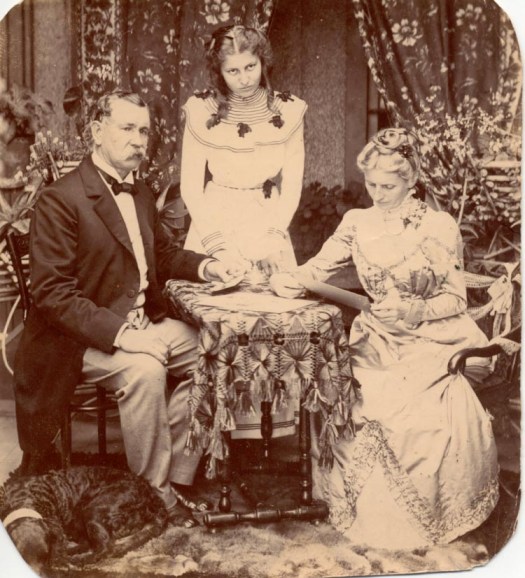
1907 – Robert Reid bought the Piedra Liza Foundry (Fundación de la Piedra Liza) in Lima, with his son Ernesto as Assistant Manager
1908 – George Williamson BREMNER, aged 35 years, and Christina (Teenie) REID, aged 25 years, married in Lima. They had known each other since childhood. They then had 8 children – James (Jim), Dorothy, Robert(Bob), Jean, twins Edith and Frances, and George Ernesto (Dod) (my father), were all born in Callao. Later their 8th child, Jack, was born in New Zealand. George W. Bremner was the the managing director of El Progreso. George and his brother Johnnie founded La Union in 1914 after James senior died.
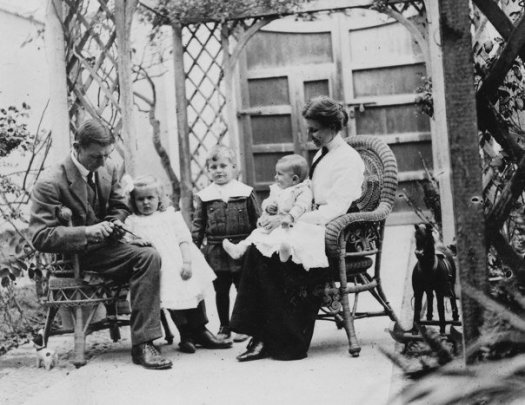
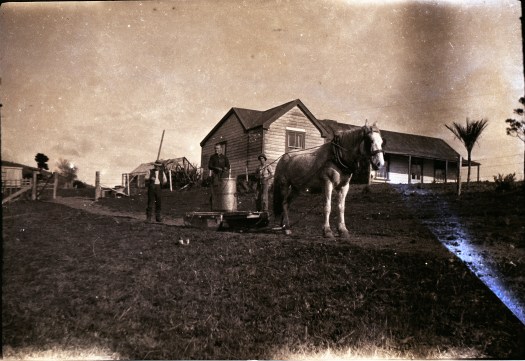
1920 – George and Teenie emigrated with their 7 children to New Zealand, to live on a farm in Port Albert.
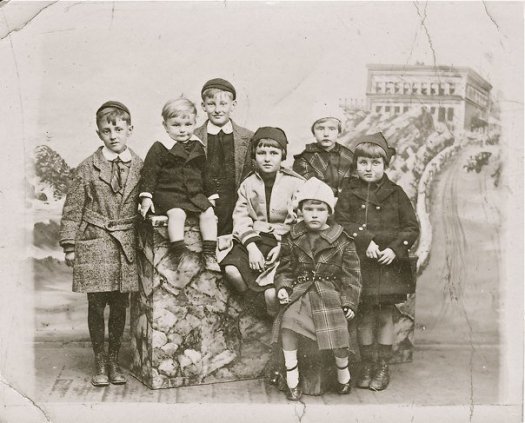
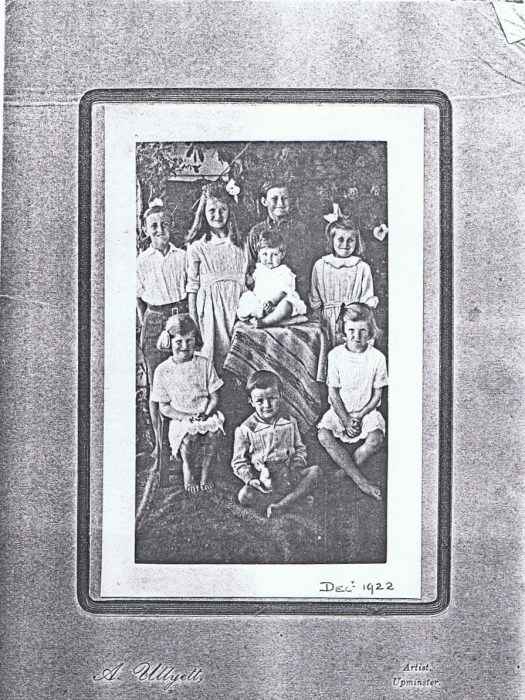
1921 – 1926 – George W. returned to work in Lima, taking 5 years to settle all the business affairs of La Union. The family were left behind to learn to survive in New Zealand, before he could return to live on the farm with them. Sadly, he then only had another 4 years to live.
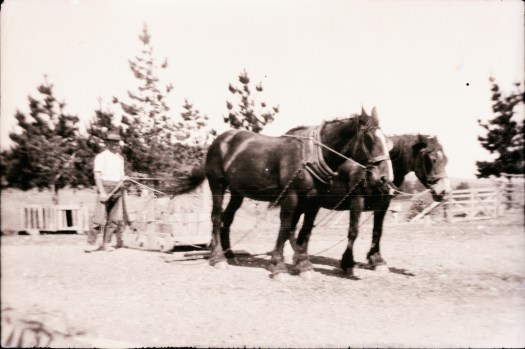
Click here to see where Port Albert is
Port Albert is a small farming and fishing settlement on the Kaipara Harbour, in the North Island of New Zealand. It is about 86 km north of Auckland, and about 8 km west of Wellsford.
It’s about as opposite to Lima as you could possibly imagine, especially in the 1920’s.
I have to admit, I feel a bit ashamed about how long it has taken me.
I knew immediately I had to do something to preserve the letters, being the only Spanish speaker in the family, so I began right then, transcribing by hand and translating, before the days of computers.
I only stuck to the job in fits and starts over all the following years, in spite of eventually acquiring a computer.
There were a lot of other things I had to do, like :
All this time, the project was always on my mind, and I managed to work on it when I had no other excuses.
Mostly, this was only at times when I was:
Even then, I was often sidetracked by exploring many of the characters, and digressing to research some of the subplots, events that kept showing up in the letters, and researching genealogy. There was certainly plenty of inspiring material for creative storytelling which often felt more compelling.
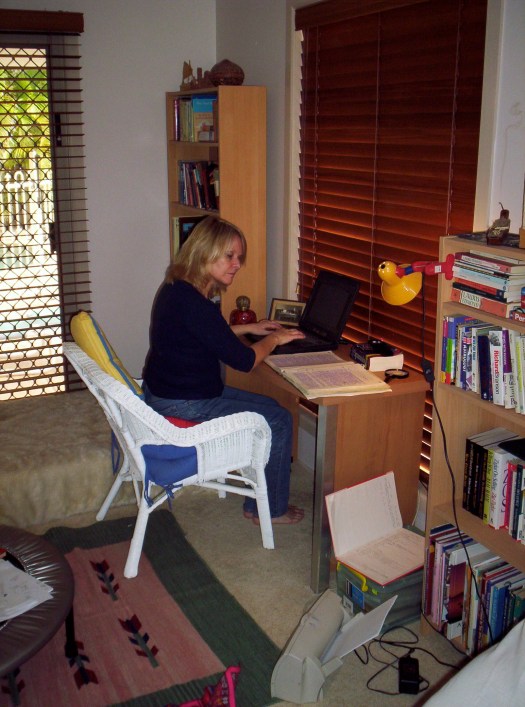 SB 2005
And maybe I didn’t want it to end.
Those were my excuses – but not any more. The end is in sight and it’s becoming real.
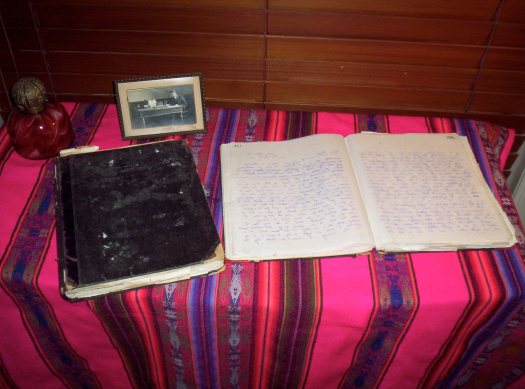 The bound volumes of rice-paper carbon copies.
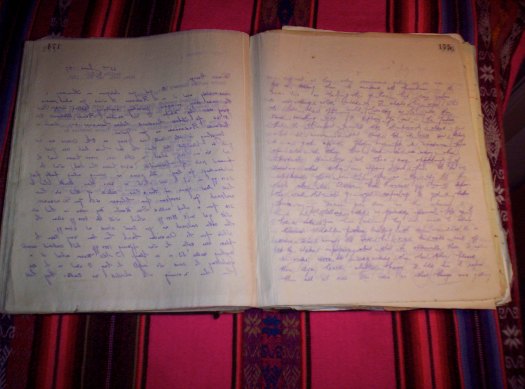 An example of the handwriting on the rice-paper pages.
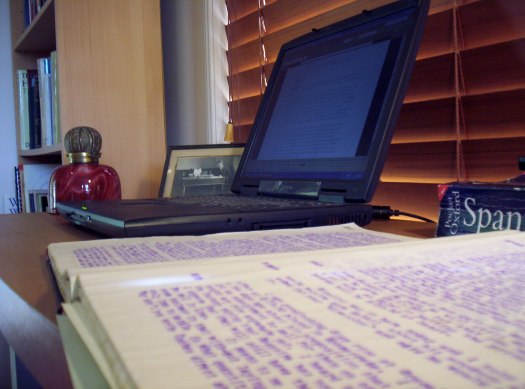 Many pages were typed – and I still can’t figure out how the carbon copies were subsequently bound.
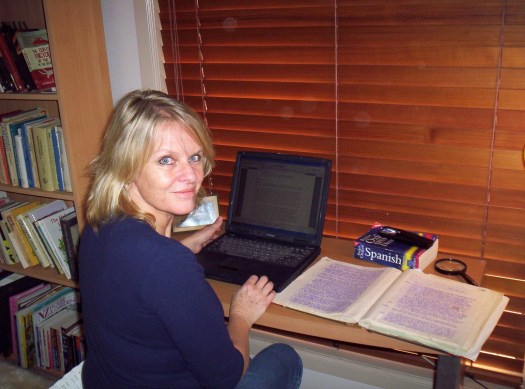 Your’s truly working on this project – years ago.
I guess I was too busy doing the work, and ignored my intention to write about it as I went.
It has taken many many hours (years!), with white cotton archival gloves and a magnifying glass, to decipher the enormous volumes of writing and transcribe and translate them.
Now I’m excited to say, the end is in sight! I am now editing and doing some final translations.
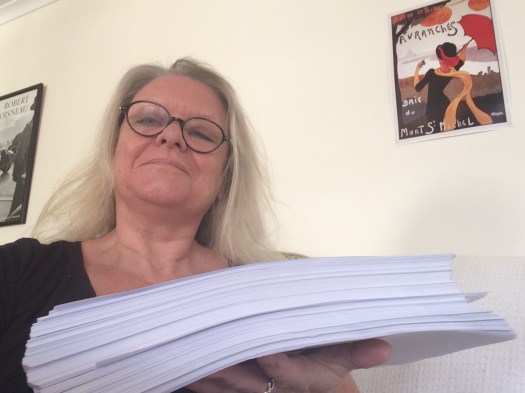
Here is a very unflattering selfie of me triumphantly holding my manuscript!
The letters contain so many fascinating stories that no-one in our family knew about before.
The letters contain family history, the history of the textile industry in Peru and the businesses “El Progreso” and “La Union”, and an educated view of the social, political, and economic reality of life in Peru from the early 1900’s till the ’30’s.
But for me the most precious thing they contain is the feeling and essence of who my Grandfather George was.
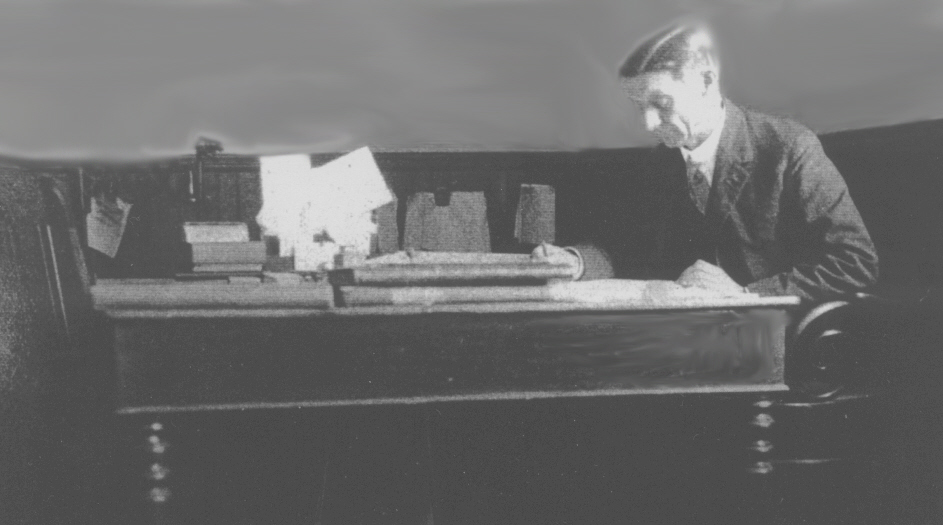
None of us, his scores of grandchildren, ever got to meet him, although he was the founder of our family’s new life as New Zealanders. We all adored his beloved Teenie, our dear Grannie, who played a huge part in all our lives. We only knew of him through stories, recollections and faded photos, but we always instantly recognised his face as one of ours. He died in Auckland in 1930, leaving Grannie to carry on raising their eight children in a foreign land, and we never even had a name for him, like Grandad, or Grandpa. For fifty more years Christina Bremner was our beautiful matriarchal link to our far-away family history in Scotland, Germany and Peru. For fifty more years, wherever she was staying, she always had his photo (above) on her bedside table. In 1980 she was buried beside him on a windy hilltop in Port Albert. She used to tell me “Never forget our bones came from Peru”.
But now, we can get to know our Grandfather personally. He left tomes of bound, rice-paper carbon-copies of all his correspondence from Peru, which were found in an old suitcase long after his death. The letters cover every aspect of his life in Peru from 1914 until 1926; his business life, the economic realities of the times, detailed social history snapshots of Peru, and our itinerant family’s personal stories, moving around in Peru, back and forth to Scotland, New Zealand, Germany, USA and Canada. These letters are very difficult to read, handwritten or typed, in both Spanish and English. I have been taking a long time to transcribe them and translate them, in order to preserve them for my family, and whoever may find them valuable. To me they are precious. Through them I have become very close to my wonderful Grandfather.
I’m Sue, and I’m working on a research, writing, transcribing and translating project (more detail about that later). I want to blog about the process, the discoveries, and the progress I’m making, for several reasons. Firstly, I imagine daily blogging will keep me focused and motivated on my goal to complete the project, and keep me accountable in an imaginary, virtual sort of way. Secondly, I feel the need to learn the art of blogging, because I see how useful it can be for any writer, to get feedback, and build a reputation, a following, and a market. Finally, my blog is intended to be a place for personal reflection, and general writing practice and experimentation.
“an untold story is nothing but a treasure lost”
via A Treasure Nearly Lost | Live to Write – Write to Live.
 The Bremners of Peru